Foundation Settlement and How Repairs Restore Stability
Homeowners seeking foundation settlement repair aim to restore stability, and local contractors can evaluate issues and provide effective solutions to stabilize and protect the structure.
Understanding foundation settlement and how repairs restore stability is essential for property owners facing shifting or uneven structures. When a foundation begins to settle or shift, it can lead to issues such as cracked walls, uneven floors, or doors that won't close properly. Recognizing these signs early and exploring repair options can help prevent further damage, preserve the integrity of the property, and maintain safety. Local contractors experienced in foundation repair can assess the situation, identify the causes of settlement, and recommend practical solutions tailored to specific needs.
For property owners in the area, exploring foundation settlement and repair solutions is a proactive step toward safeguarding their investment. Engaging with skilled service providers can ensure that repairs are handled effectively, restoring stability and preventing future problems. Whether dealing with minor shifts or more significant settlement issues, connecting with local experts who specialize in foundation repair can provide clarity and peace of mind. Keep reading to learn more about how foundation repairs work and the benefits of choosing experienced local service providers for the job.
- Foundation settlement repair services are often needed when homeowners notice uneven floors or cracks in walls, and local contractors assess the extent of the settlement to determine the best solution.
- Pier and beam or slab foundation repairs are common when local pros identify shifting or sinking that compromises structural stability, using methods to lift and stabilize the foundation.
- When signs of foundation movement appear, service providers evaluate soil conditions and use specialized techniques to restore support and prevent further settling.
- Foundation underpinning or mudjacking are typical approaches local pros use to address settlement issues and help restore the foundation’s stability.
- Repair specialists focus on stabilizing the structure and preventing future settlement by implementing tailored solutions based on the specific conditions of each property.
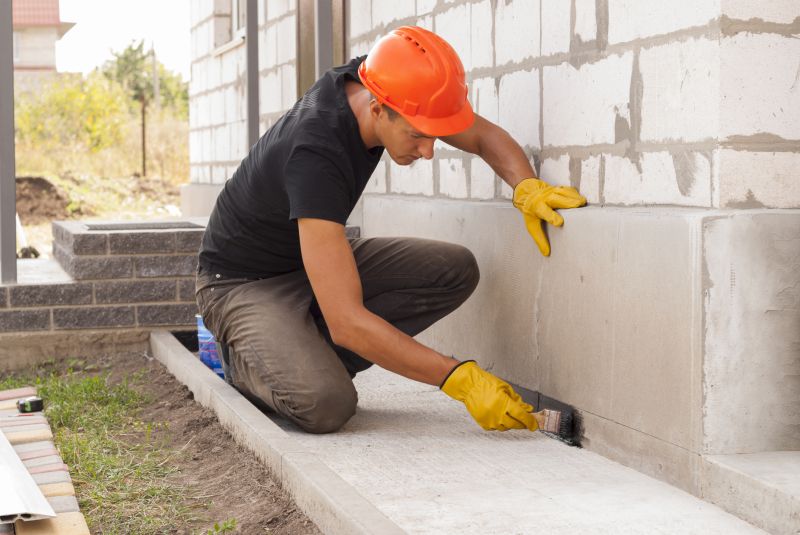
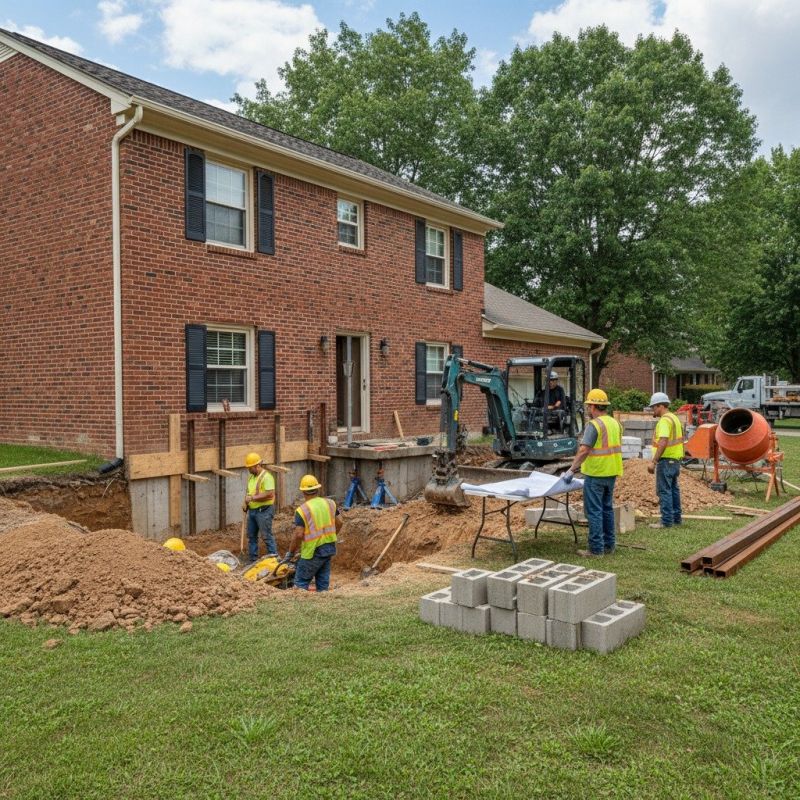
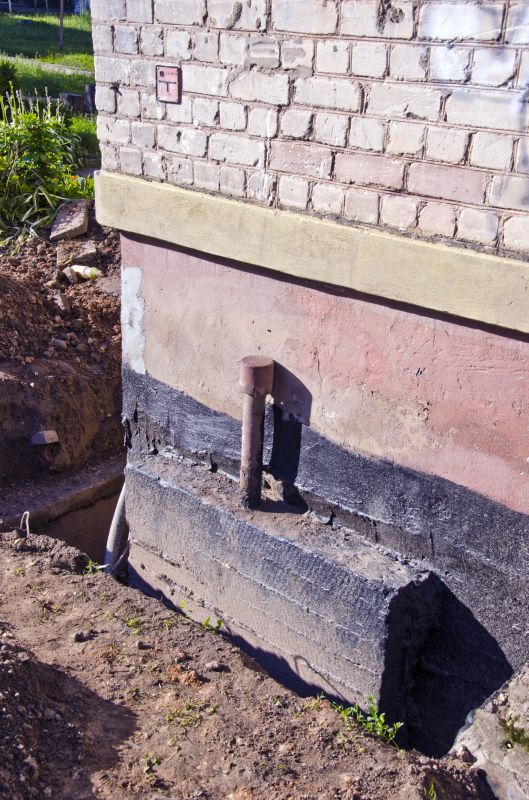
Foundation settlement and how repairs restore stability is a common concern among homeowners experiencing structural issues. When people search for this topic, they often want to understand why their property’s foundation is shifting or sinking and what can be done to fix it. This search typically relates to problems like uneven floors, cracked walls, sticking doors or windows, and visible cracks in the foundation or exterior masonry. Homeowners may also be planning renovations or preparing to sell, and they want to ensure the foundation remains sound. Recognizing these signs early can help prevent more extensive damage, making foundation repair a priority for maintaining the safety and value of a property.
The issues associated with foundation settlement usually stem from soil movement beneath the property, which can be caused by factors such as moisture changes, poor drainage, or natural soil compaction. When the ground shifts or erodes, it can lead to uneven support for the foundation, causing it to sink or crack. Repair plans often involve stabilizing the foundation through methods like underpinning, piering, or slab jacking, which lift and reinforce the structure. These repairs are designed to restore the original alignment of the foundation, preventing further movement and protecting the building’s integrity. Homeowners considering these repairs should understand that addressing foundation settlement promptly can help avoid costly future damage.
Properties most affected by foundation settlement tend to be those built on expansive or unstable soils, common in regions with clay or loose fill. This includes single-family homes, townhouses, and some multi-unit buildings. Older properties or those with inadequate drainage systems are especially vulnerable. Commercial buildings and structures with basements or crawl spaces may also experience settlement issues, which can impact their stability and safety. Recognizing the types of properties prone to foundation problems helps homeowners and property managers understand the importance of regular inspections and timely repairs. Local contractors experienced in foundation repair can evaluate these properties and recommend appropriate stabilization solutions.
When foundation settlement occurs, repairs aim to restore the stability of the entire structure. Skilled service providers use specialized techniques to lift and stabilize the foundation, often involving the installation of piers or supports beneath the affected areas. These methods effectively transfer the building’s weight onto more stable soil or bedrock, preventing further sinking or cracking. Restoring foundation stability not only improves the appearance and safety of a property but also helps protect interior finishes, utilities, and overall structural integrity. Connecting with local contractors who specialize in foundation repair ensures that the right approach is taken for each specific property, helping to preserve its value and avoid future issues.
Soil Stabilization Projects - these projects involve techniques to improve soil conditions, which is essential for preventing foundation settlement and restoring stability in affected structures.
Retaining Wall Installations - constructing retaining walls requires understanding of soil pressure and ground movement, similar skills used in foundation repair planning and execution.
Drainage System Installations - effective drainage helps manage water flow around foundations, reducing settlement risks and supporting long-term stability repairs.
Concrete Pier and Underpinning Work - installing piers and underpinning provides structural support to settle or sinking foundations, directly related to repair methods for stability restoration.
Grading and Site Drainage Projects - proper grading directs water away from foundations, preventing issues that cause settlement and aiding repair efforts.
Foundation Waterproofing Services - waterproofing protects foundations from water damage, which can contribute to settlement problems and compromise structural stability.
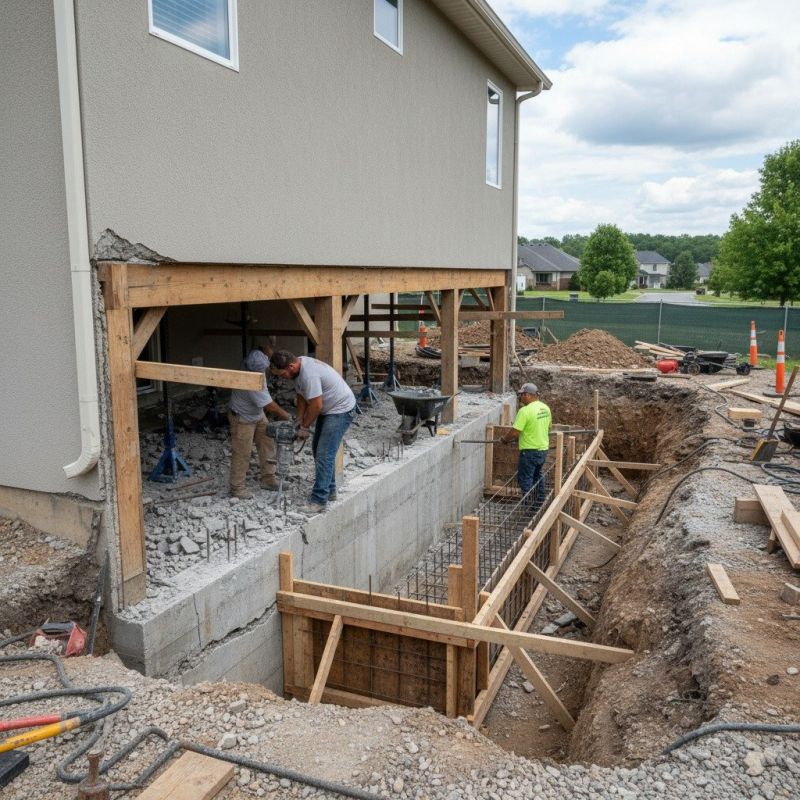
When evaluating local contractors for foundation settlement and how repairs restore stability, experience with similar projects is an important factor to consider. Homeowners should look for service providers who have a track record of successfully handling foundation repair work in situations comparable to their own. This includes understanding the specific causes of settlement, such as soil movement or moisture issues, and knowing how to address these factors effectively. An experienced contractor can often provide insights into common challenges and proven methods for stabilizing foundations, helping homeowners feel more confident in the repair process.
Clear, written expectations are essential when choosing a foundation repair service provider. Homeowners should seek detailed estimates that outline the scope of work, materials to be used, and the specific repair techniques planned. Having this information in writing helps ensure everyone is on the same page and reduces the chances of misunderstandings or surprises during the project. Additionally, a reputable contractor will be transparent about the steps involved in restoring stability and provide a comprehensive plan that aligns with the homeowner’s concerns and goals.
Reputable references and good communication are key indicators of a trustworthy foundation repair contractor. Homeowners are encouraged to ask for references from past clients who experienced similar foundation issues. Speaking with previous customers can provide valuable insights into the contractor’s reliability, quality of work, and professionalism. Furthermore, service providers who communicate clearly and promptly throughout the process help create a smoother experience, ensuring that homeowners stay informed about progress and any potential adjustments. A contractor’s ability to listen and respond effectively can make a significant difference in achieving a successful, stable repair outcome.
Property owners often search for foundation settlement and how repairs restore stability when they are planning practical projects around their homes and businesses. Local pros provide Foundation Settlement Repair services for everyday jobs and straightforward project options.
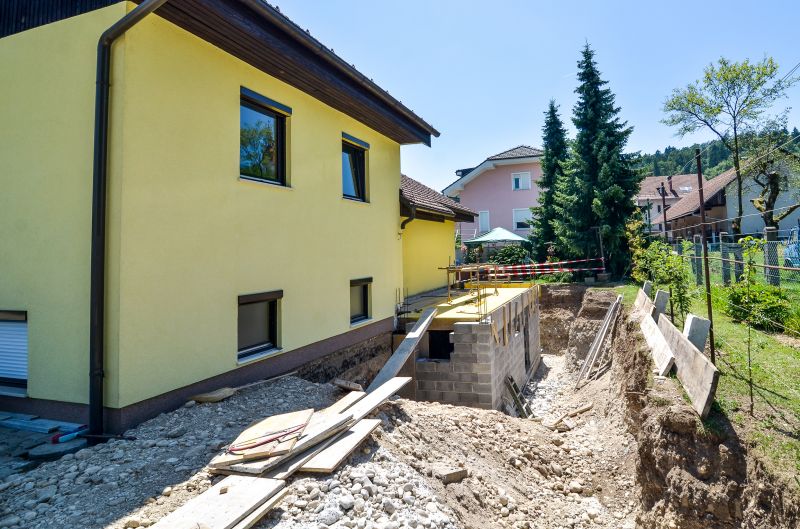
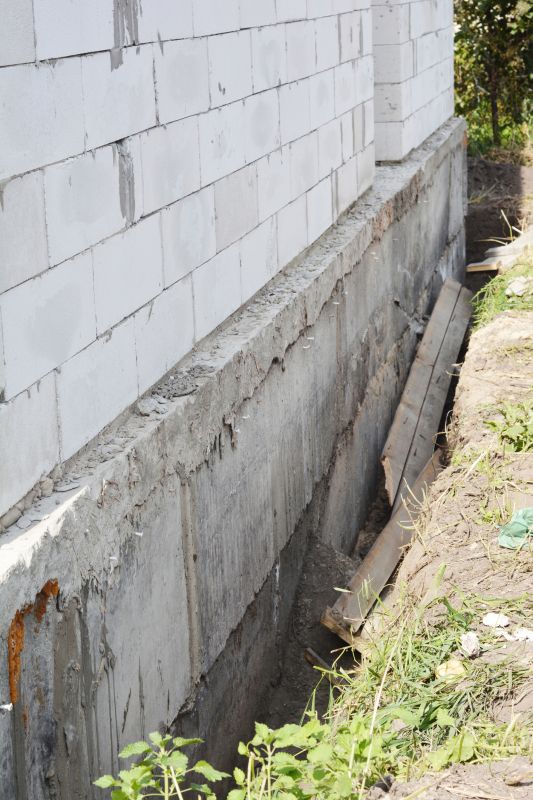
Foundation settlement can often become noticeable through uneven floors, cracked walls, or sticking doors and windows. Property owners in the area may notice these signs after changes in moisture levels, shifting soil, or general aging of the structure. When these issues arise, local contractors who specialize in foundation repair can evaluate the situation and recommend appropriate solutions to restore stability. Repair methods may include underpinning, piering, or other techniques designed to stabilize the foundation and prevent further movement, helping to protect the property's integrity.
Many property owners seek foundation settlement repair services to address ongoing structural concerns and avoid more costly damage down the line. Local service providers can help by offering solutions tailored to the specific conditions of each property. Restoring stability through these repairs can improve safety, prevent further cracking, and maintain the property's value. For those noticing signs of foundation movement, connecting with experienced local contractors can be a practical step toward resolving issues and ensuring the long-term durability of the home or building.
What causes foundation settlement? Foundation settlement typically occurs due to soil movement, such as shrinking or expanding soils, poor drainage, or changes in moisture levels around the property. Local contractors can assess these factors to determine the underlying causes of settlement.
How do repairs restore foundation stability? Repairs often involve techniques like underpinning or piering, which stabilize the foundation by transferring loads to more stable soil or bedrock. These methods help prevent further settlement and restore structural integrity.
What signs indicate foundation settlement? Common indicators include uneven floors, cracked walls, sticking doors or windows, and visible cracks in the foundation. Local service providers can evaluate these signs to confirm if settlement is the issue.
Are foundation repair methods permanent? Many foundation repair techniques are designed to provide long-lasting stability. A professional assessment can determine the most suitable method for a specific situation to ensure durable results.
Why should I hire a professional for foundation settlement repair? Experienced local contractors have the expertise to diagnose the root causes of settlement and apply appropriate repair solutions, helping to restore stability and prevent future issues.
Assessing foundation issues - property owners can identify early signs of settlement and seek advice from local contractors to evaluate the severity of the problem.
Choosing repair methods - homeowners can explore different foundation repair options with local service providers to determine the most suitable solution for restoring stability.
Planning for repairs - planning a repair project involves coordinating with local contractors to schedule necessary work and ensure proper stabilization techniques are used.
Preventing future settlement - property owners can implement drainage improvements and soil management strategies advised by local pros to help prevent ongoing foundation movement.
If you are thinking about foundation settlement and how repairs restore stability for a property, this guide is meant to help you understand this topic, the typical project types, and how different options might fit your plans.
When you are ready, you can use the quote form on this page to share a few details about your project. From there, local pros can review the basics and follow up with options that match what you have in mind.